
The role of generative AI in future vehicle design
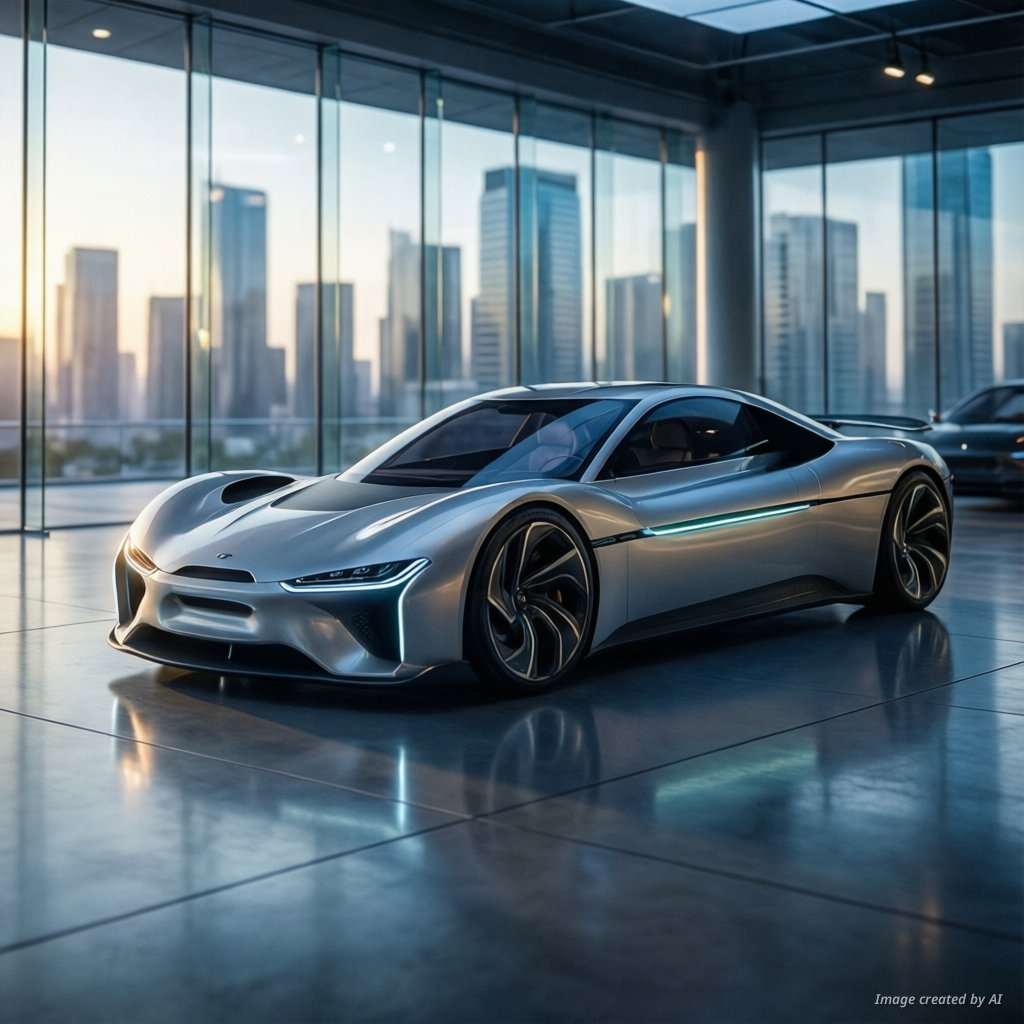
The automotive industry is undergoing a major transformation due to the rise of technology. Generative AI is no longer just a concept but a powerful tool for designers and engineers [3]. It is changing the way new vehicle models are created.
Through advanced algorithms, companies can now create prototypes much faster. The Toyota Research Institute is leading the way in using this technology to combine aesthetics and engineering [1].
Accelerating the design process
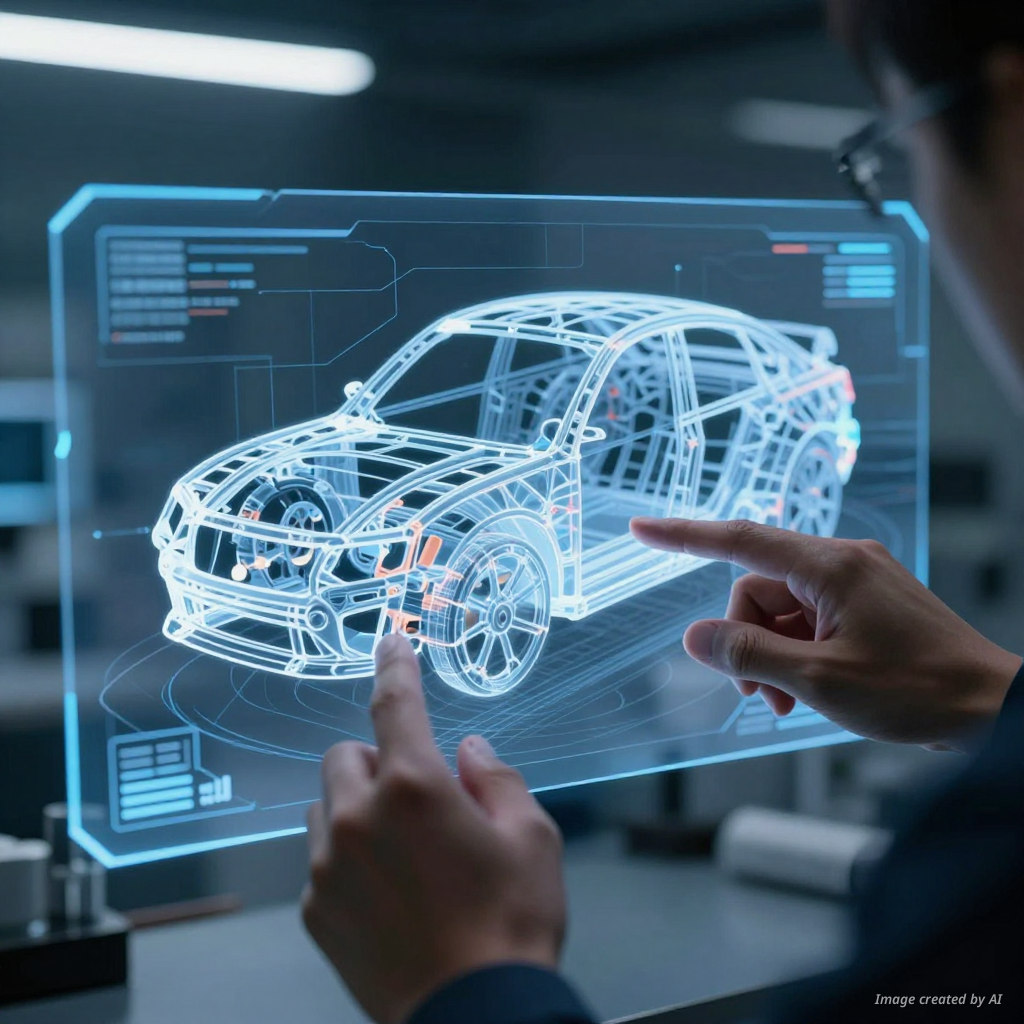
The traditional design process takes several months. With the help of generative AI, designers can generate thousands of options in just a few hours [2]. This allows for rapid iteration of concepts.
Algorithms automatically incorporate engineering constraints such as the drag coefficient. Because of this, the vehicle not only looks good but is also efficient on the road. The use of AI in design helps maintain the designer's original vision while adhering to technical standards [2].
Optimization for electric vehicles
The transition to electric vehicles (EVs) requires lighter and stronger parts. Generative design enables the creation of structures that use fewer materials [3]. This is critical for extending battery range.
Engineers can develop parts that are stronger yet lighter compared to traditional designs. This level of precision is essential in achieving sustainability goals. This technology reinforces user-centric car interior design: the future of driving in the Philippines.
Philippine context and transport modernization
In the Philippines, the adoption of generative AI has significant potential for the local industry. The Electric Vehicle Industry Development Act (EVIDA) provides an opportunity for innovation [3]. AI could be used to design e-jeepneys that are suitable for our climate.
Local suppliers can also benefit from AI-driven CAD workflows. Through this, Filipino manufacturers can more easily keep up with the global supply chain [3]. This development is vital for the modernization of our public transportation.
Implementation challenges
Although beneficial, there are challenges in using AI. The need for high computational capacity is one of the main obstacles [3]. High-quality data is also required for training these models.
Intellectual Property (IP) is also an important issue regarding AI-generated designs. Furthermore, results must undergo rigorous physical testing and wind tunnel validation [1]. A design cannot simply be released to the market without evaluation.
Upskilling local engineers
The success of this technology depends on human capability. Filipino designers and engineers need sufficient training in AI-assisted tools [3]. Learning new software will open up many job opportunities.
The development of the role of AI in route optimization and traffic avoidance in the Philippines is proof that we can embrace technology. Collaboration between the academe and industry is key to strengthening our R&D capabilities [3].
The future of automotive R&D
Generative AI will not replace designers, but it will make them more efficient. The collaboration between human and machine will define the next generation of vehicles [2]. Over time, we will see more vehicles designed for specific needs.
These vehicles will be safer, more economical, and better suited to our environment. Continued research into generative AI in the automotive industry will bring about even greater changes in the coming decade [3]. The Philippines has the opportunity to be part of this design revolution.
More Information
- Generative AI: A branch of artificial intelligence focused on creating new content, including 3D models, images, and designs, based on input parameters and algorithms.
- Drag coefficient: A dimensionless quantity used in aerodynamics to describe the resistance of an object to movement through air or liquid.
- Generative design: A design development process where software automatically creates alternative solutions based on specified constraints such as weight, materials, and manufacturing methods.
- EVIDA: The Philippines' Electric Vehicle Industry Development Act, which aims to set a framework for the adoption of electric vehicles and the development of their infrastructure.
- Prototyping: The process of creating the first version or model of a product to test its concept, design, and functionality before mass production.
Related Posts
-
Uncategorized
A guide to personalizing your car’s windshield head-up display
Read more →Head-up display (HUD) technology is rapidly becoming standard in modern vehicles today. By projecting essential information directly onto the windshield,…
-
 Uncategorized
The role of AI-based collision warning systems in modern transportation
Read more →Advancements in automotive technology are bringing significant changes to road safety. One of the most important innovations today is the…
-
 Uncategorized
The importance of smart EV charging management software in the Philippines
Read more →The rise of electric vehicles (EVs) in the Philippines is rapidly transforming our transportation landscape. Under Republic Act No. 11697,…