
The role of AI-based collision warning systems in modern transportation
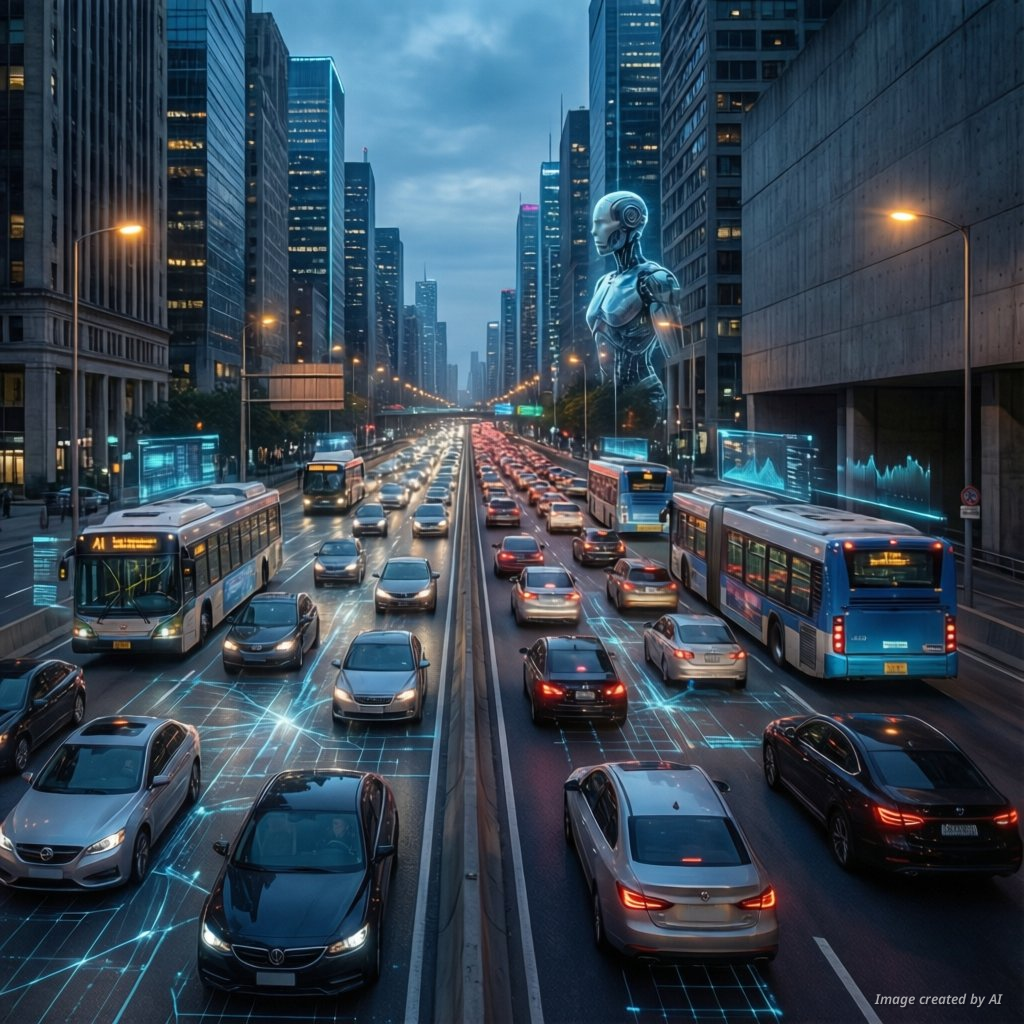
Advancements in automotive technology are bringing significant changes to road safety. One of the most important innovations today is the AI-based collision warning system. This system uses artificial intelligence to provide real-time warnings to drivers.[1]
In the Philippines, the increasing number of vehicles on major roads poses a safety challenge. Parts manufacturers need to adopt these cutting-edge technologies.[4] The use of AI is not just an option, but a necessity for modernization.
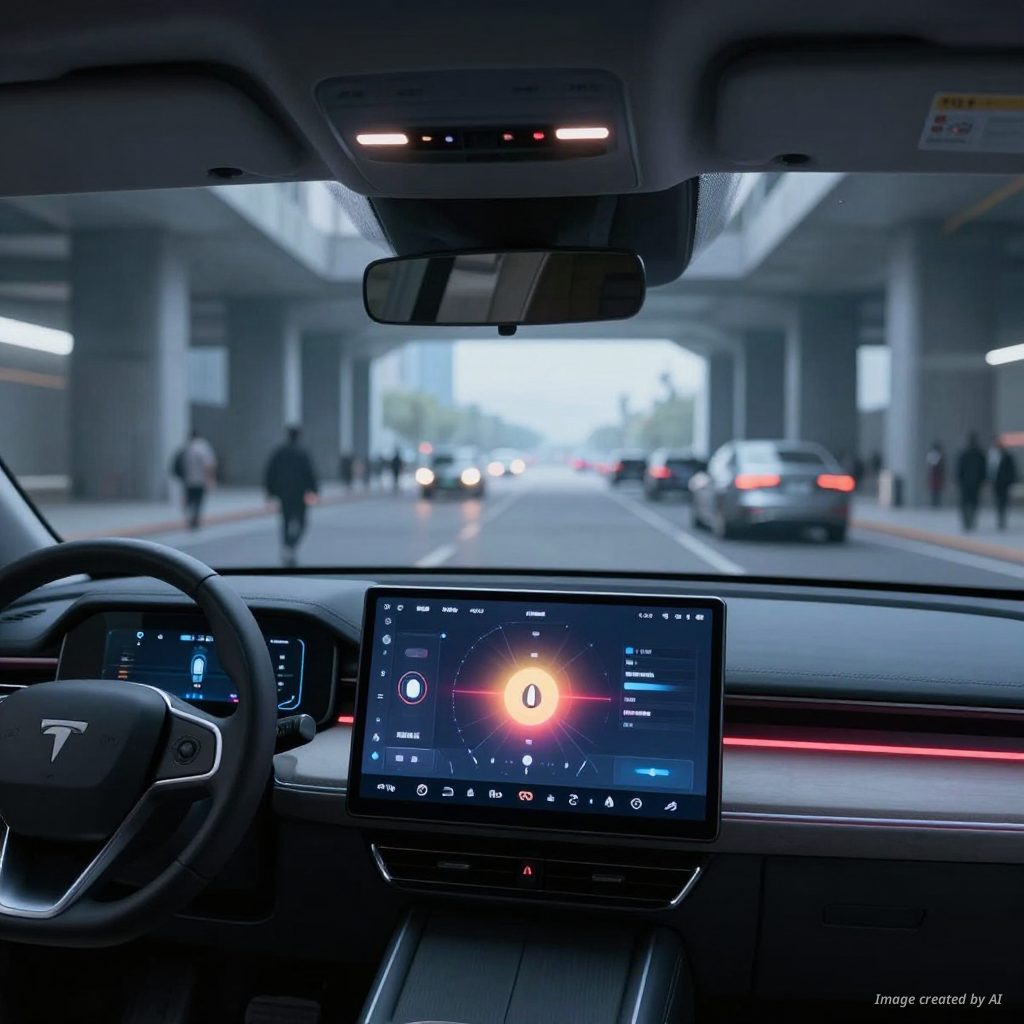
What is an AI-based collision warning system?
This system is a type of advanced driver assistance system (ADAS). It utilizes smart cameras, radar, and LiDAR sensors.[1] AI processes this data within milliseconds.
Its primary goal is to identify potential hazards before an accident occurs. It provides audio and visual warnings to the driver.[5] Because of this, the human operator has sufficient time to brake or swerve.
Importance in the Philippine market
In the context of the Philippines, traffic in Metro Manila is a major challenge. The Metropolitan Manila Development Authority is constantly looking for ways to reduce accidents on EDSA and C-5.[3] AI systems provide a solution to this problem.
Many logistics companies are already using this technology. It helps reduce operational costs due to fewer accidents.[5] It is also a way to comply with the standards of the Department of Transportation.[2]
Key features of the technology
AI-based collision warning systems have various capabilities. Forward collision warning is one of its most critical features.[1] It continuously measures the distance to the vehicle ahead.
Furthermore, pedestrian and cyclist collision warnings are also important. On crowded roads, detecting people crossing is crucial.[3] Meanwhile, lane departure warning helps keep the vehicle in the correct lane.
Improving safety for drivers
A driver monitoring system is also part of modern AI solutions. It uses facial recognition to determine if the driver is drowsy or distracted.[4] This is highly effective for bus and truck drivers who spend long hours on the road.
The use of this technology results in a higher level of security. Many studies show that accidents decrease by up to 40-70% using ADAS.[5] This is a major achievement for the automotive industry.
Integration into modern PUVs
The topic of how ADAS systems increase road safety is a key subject in modernization. The government is implementing regulations for public utility vehicles.[2] Installing sensors and AI is part of the required upgrades.
Parts manufacturers must focus on producing compatible hardware. The topic of the role of AI in optimizing routes and avoiding traffic congestion in the Philippines is also connected to these systems. Integrating cloud platforms provides real-time reports to fleet managers.[1]
Future of the technology in the country
The Department of Science and Technology continues to support local innovations.[1] Projects using computer vision offer hope for safer roads. Collaboration with global experts accelerates the adoption of AI.
Parts manufacturers play a major role in shaping the future. Producing affordable AI modules will expand its usage.[4] In the coming years, it is expected to become a standard feature in all vehicles.
Conclusion
The AI-based collision warning system is a revolutionary technology. It provides safety, efficiency, and compliance with laws.[2] Parts manufacturers in the Philippines must prepare for this change. Investing in AI is also an investment in the lives of Filipinos.
Embracing this technology will lead to a better future for transportation. Every step toward smart mobility is important.[5] Together, let us make our roads safer.
More Information
- AI-based collision warning system: A technology that uses sensors and artificial intelligence to identify road hazards and warn the driver before a collision occurs.
- ADAS (Advanced Driver Assistance System): Vehicle systems designed to assist the driver in operating the vehicle and improve safety through automation and warnings.
- Computer vision: A branch of AI that enables machines to see and analyze images or videos from cameras to make decisions.
- Fleet management: The process of managing a company's vehicles to reduce costs, increase productivity, and ensure driver safety.
- Edge AI: Running AI algorithms directly on hardware or devices (such as a car camera) instead of in the cloud, for faster data processing.
Related Posts
-
Uncategorized
A guide to personalizing your car’s windshield head-up display
Read more →Head-up display (HUD) technology is rapidly becoming standard in modern vehicles today. By projecting essential information directly onto the windshield,…
-
 Uncategorized
The importance of smart EV charging management software in the Philippines
Read more →The rise of electric vehicles (EVs) in the Philippines is rapidly transforming our transportation landscape. Under Republic Act No. 11697,…
-
Uncategorized
The future of car buying: Virtual and augmented reality in the Philippines
Read more →The automotive industry in the Philippines is rapidly evolving due to innovative technology. Traditional visits to physical showrooms are gradually…