
The role of AI in route optimization and traffic avoidance in the Philippines
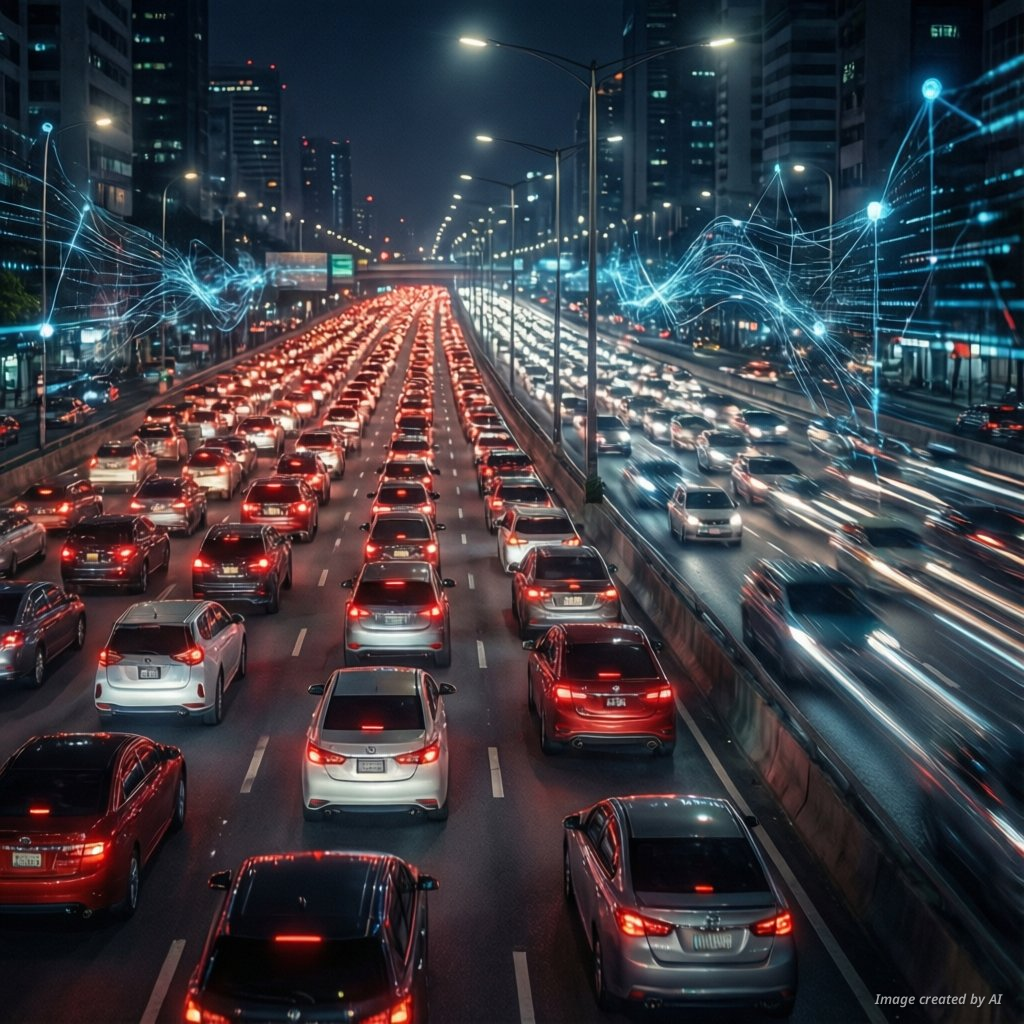
Traffic in the Philippines is one of the primary challenges faced by drivers and commuters every day. According to a study by the Japan International Cooperation Agency (JICA), the severe traffic in Metro Manila causes a loss of ₱3.5 billion per day to the economy [3]. In this situation, Artificial Intelligence (AI) technology is becoming a vital weapon.
The use of AI in route optimization is no longer just a concept of the future. It is currently being used to make our travel on major roads faster and more efficient [5].
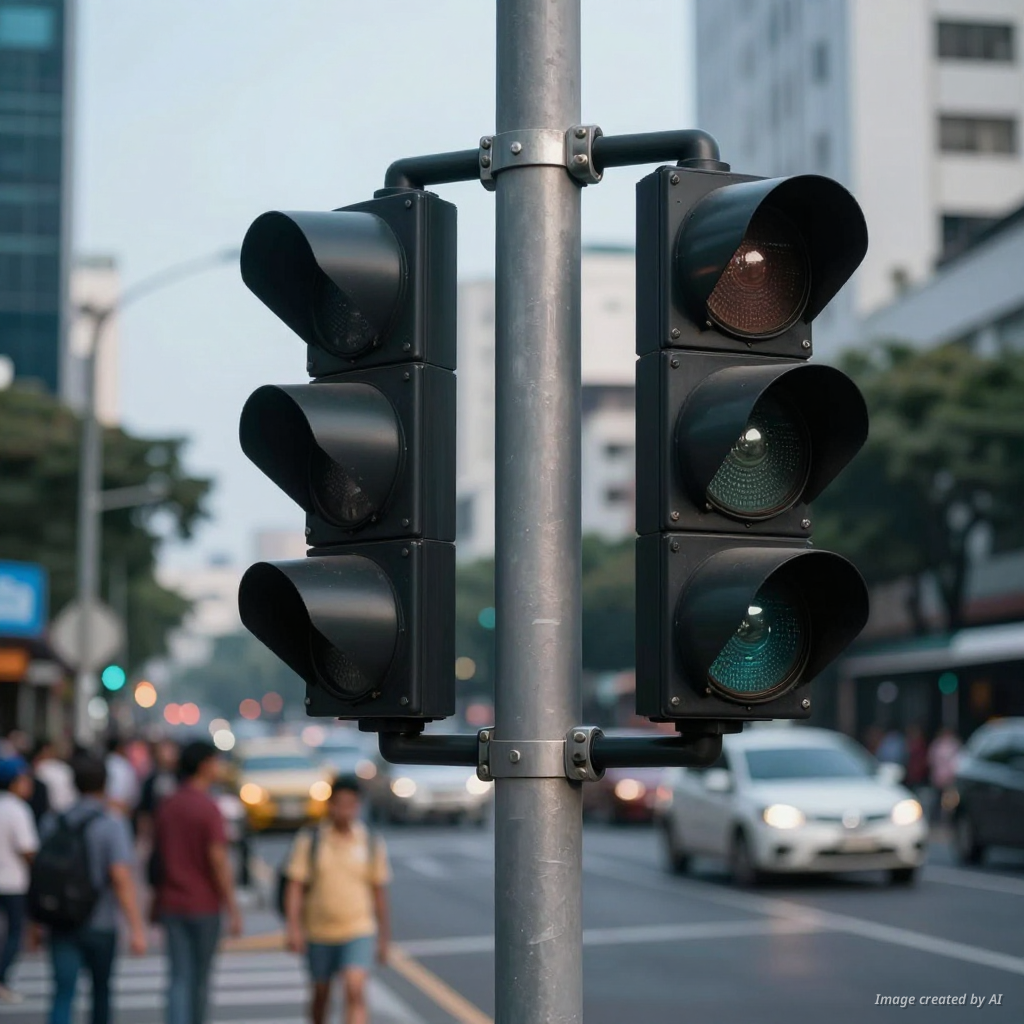
The impact of technology on traffic flow
The Metropolitan Manila Development Authority (MMDA) has begun using smart traffic signals [1]. These systems use sensors and cameras to analyze the volume of vehicles in each lane in real-time. Instead of fixed timers, AI automatically adjusts the duration of green lights based on the situation [4].
This type of adaptive traffic control system helps prevent bottlenecks at intersections. As a result, the time wasted by drivers stopping in the middle of the road is reduced. Better traffic flow also results in lower fuel consumption and fewer carbon emissions [5].
Innovation from local researchers
One of the notable projects in the country is CATCH-ALL, or Contactless Apprehension Traffic Management on Highways using Artificial Intelligence Technologies. It was developed by experts from De La Salle University with the support of DOST-PCIEERD [2].
This project uses computer vision to monitor traffic violations without direct human intervention. Through deep learning algorithms, the system identifies vehicle speeds and congested parts of the road [2]. This technology provides valuable data for better urban planning in the future.
AI in ride-hailing apps
For drivers of Grab, JoyRide, and Lalamove, AI is already part of their daily work. These platforms use machine learning for dynamic route optimization [4]. AI analyzes historical data and current road conditions to suggest the fastest alternative routes.
The impact of AI on the driving experience and consumer services is already felt by many. Through more accurate Estimated Time of Arrival (ETA), passengers and drivers can plan more effectively. Furthermore, you can also read about how ADAS systems increase road safety for more information on vehicle technology.
Challenges in implementing AI
Although the potential of AI is significant, there are still challenges in its implementation in the Philippines. Digital infrastructure remains a barrier in some regions. Fast and stable internet is needed for the effective transmission of real-time data from sensors to the control center [4].
In addition, compliance with the Data Privacy Act of 2012 is crucial. The use of cameras for surveillance requires strict protection of citizens' information. High maintenance costs for hardware such as thermal cameras is also a consideration for local governments [5].
The future of traffic in the country
The use of AI is a step toward smarter cities. Through data-driven urban planning, it is easier for authorities to identify where new bypass roads or overpasses are needed. The integration of this technology aims to reduce travel time by up to 25% on major thoroughfares like EDSA [3].
With the continuous development of technology, it is expected that traffic flow will improve in the coming years. Cooperation between the government, tech companies, and citizens is the key to the success of these initiatives.
More Information
- Smart traffic signals: Traffic lights that use AI sensors to automatically adjust green light duration based on the volume of vehicles at an intersection.
- Computer vision: A branch of AI that allows computers to interpret and analyze visual data from cameras or video feeds.
- Route optimization: The process of finding the fastest or most efficient route for a vehicle using real-time traffic data and machine learning algorithms.
- Deep learning: A type of machine learning that uses neural networks to learn from large sets of data, such as identifying traffic patterns.
- Predictive traffic analytics: The use of historical and real-time data to predict potential congestion on roads before it happens during rush hour.
Related Posts
-
Uncategorized
A guide to personalizing your car’s windshield head-up display
Read more →Head-up display (HUD) technology is rapidly becoming standard in modern vehicles today. By projecting essential information directly onto the windshield,…
-
 Uncategorized
The role of AI-based collision warning systems in modern transportation
Read more →Advancements in automotive technology are bringing significant changes to road safety. One of the most important innovations today is the…
-
 Uncategorized
The importance of smart EV charging management software in the Philippines
Read more →The rise of electric vehicles (EVs) in the Philippines is rapidly transforming our transportation landscape. Under Republic Act No. 11697,…