
The importance of smart EV charging management software in the Philippines

The rise of electric vehicles (EVs) in the Philippines is rapidly transforming our transportation landscape. Under Republic Act No. 11697, the establishment of EV infrastructure across the country is being accelerated. The success of this transition relies on the efficient use of smart EV charging management software.
This software serves as the brain of every charging station. It manages power distribution, payments, and grid connectivity. For EV owners and charging station operators, it is an essential tool for smooth operations. You can read about energy management software for hybrid vehicles to better understand connected technology.
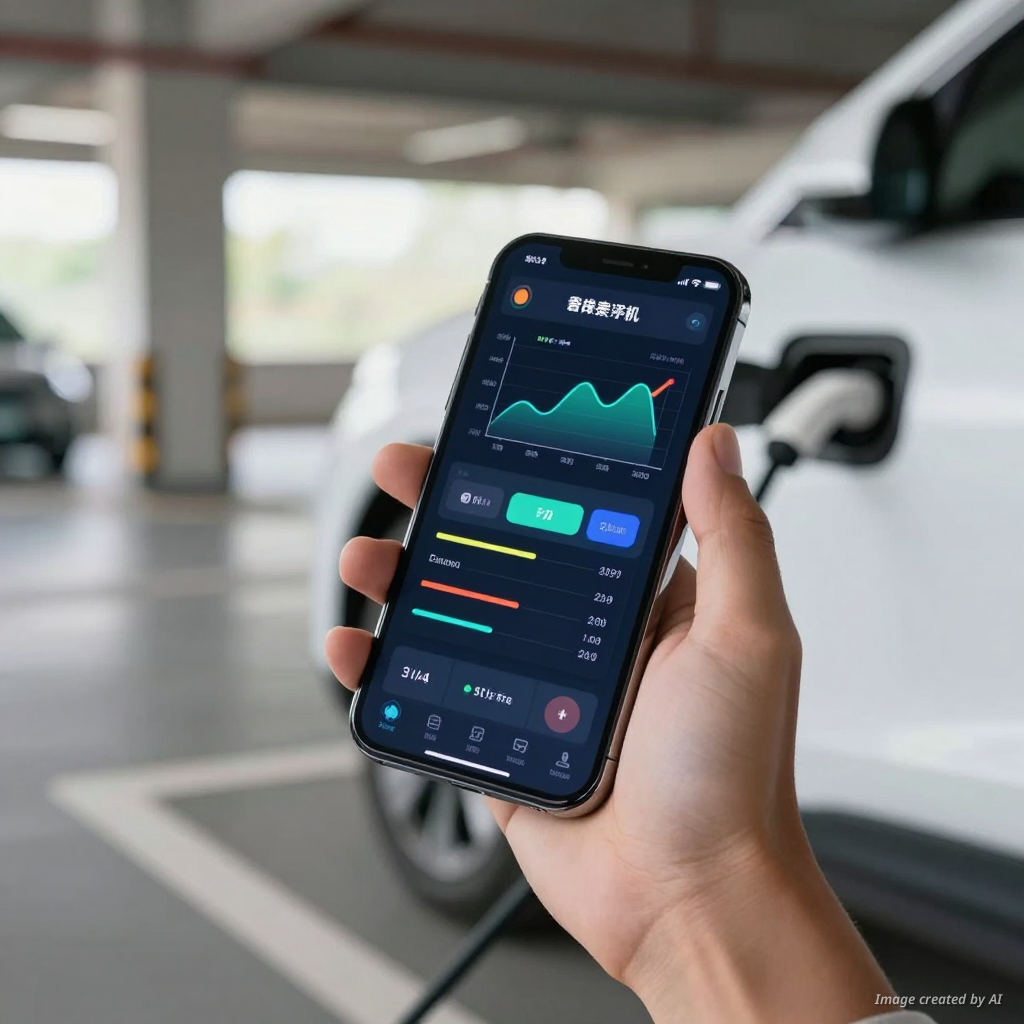
What is a smart charging management system?
A smart EV charging management system (CSMS) is a cloud-based platform that connects charging stations to the internet. It allows operators to monitor their chargers remotely. According to the Department of Energy, proper management of these stations is critical for the security and interoperability of our grid [1].
Through this software, station owners gain access to real-time data. They can see which chargers are in use or if there are any technical issues. This helps reduce downtime and maintain service quality for drivers [2].
Key technologies behind the software
Interoperability is the software's ability to communicate with different hardware brands. Modern systems use the Open Charge Point Protocol (OCPP) to ensure connectivity. Because of this, operators are not limited to a single charger brand [3].
Furthermore, the Open Charge Point Interface (OCPI) enables roaming. This means a driver can use various charging station networks using a single account. This is essential for the convenience of EV users in the Philippines.
Dynamic load management for buildings
Dynamic load management (DLM) is one of the most important features of smart software. It adjusts the power supplied to each vehicle based on the total capacity of the building. This prevents excessive power usage that could cause a power surge or a circuit trip [4].
For malls, hotels, and condominiums, this feature saves costs. There is no need to upgrade to a large transformer immediately because the software intelligently manages the load. It is a smart way to maintain energy balance in a commercial area.
Payment integration and user experience
The user experience depends on the ease of payment. Smart software in the Philippines must be integrated with local e-wallets such as GCash and Maya. This simplifies the process for drivers who want to charge quickly [5].
Digital receipts and real-time notifications provide customer confidence. Additionally, fleet operators receive detailed consumption reports. These reports are used for budget planning and optimizing company operations.
The role of renewable energy
Smart charging software can also integrate solar energy. In areas with solar panels, the software can be programmed to charge only when solar energy production is high. This not only saves electricity but also helps the environment.
The use of renewable energy aligns with the country's goals for sustainable development. Smart software acts as a bridge to make every vehicle charge more eco-friendly. It is a vital step toward a cleaner future for transportation.
Benefits for fleet operators
For companies using EV fleets, the software provides clear analytics. They can schedule charging during off-peak hours when electricity is cheaper. This helps lower the operating costs of their business in the long run.
Fleet managers can monitor the status of each vehicle via a dashboard. This facilitates the management of maintenance schedules. In this way, the life of the vehicle batteries is extended.
Choosing the right software provider
When selecting software, scalability and support should be considered. Ensure that the provider complies with government standards. Having local support is crucial for quick responses to technical issues.
Also, check if the software is user-friendly for drivers. A good app should have a clear map and an easy booking process. The success of your charging business depends on the quality of your software platform.
More Information
- EVIDA Law: Republic Act No. 11697, which sets policies for the development of the electric vehicle industry in the Philippines and the establishment of charging stations.
- OCPP: A communication protocol that allows EV chargers and central management systems to talk and exchange information seamlessly.
- Dynamic Load Management: A smart technology that automatically balances power distribution across charging stations to prevent grid overloading.
- Interoperability: The ability of different systems or software to work together and communicate without operational issues.
- Fleet Management: A system for tracking and controlling a company's electric vehicles to increase efficiency and reduce costs.
Related Posts
-
Uncategorized
A guide to personalizing your car’s windshield head-up display
Read more →Head-up display (HUD) technology is rapidly becoming standard in modern vehicles today. By projecting essential information directly onto the windshield,…
-
 Uncategorized
The role of AI-based collision warning systems in modern transportation
Read more →Advancements in automotive technology are bringing significant changes to road safety. One of the most important innovations today is the…
-
Uncategorized
The future of car buying: Virtual and augmented reality in the Philippines
Read more →The automotive industry in the Philippines is rapidly evolving due to innovative technology. Traditional visits to physical showrooms are gradually…