
The technology of gesture control interface in modern vehicles
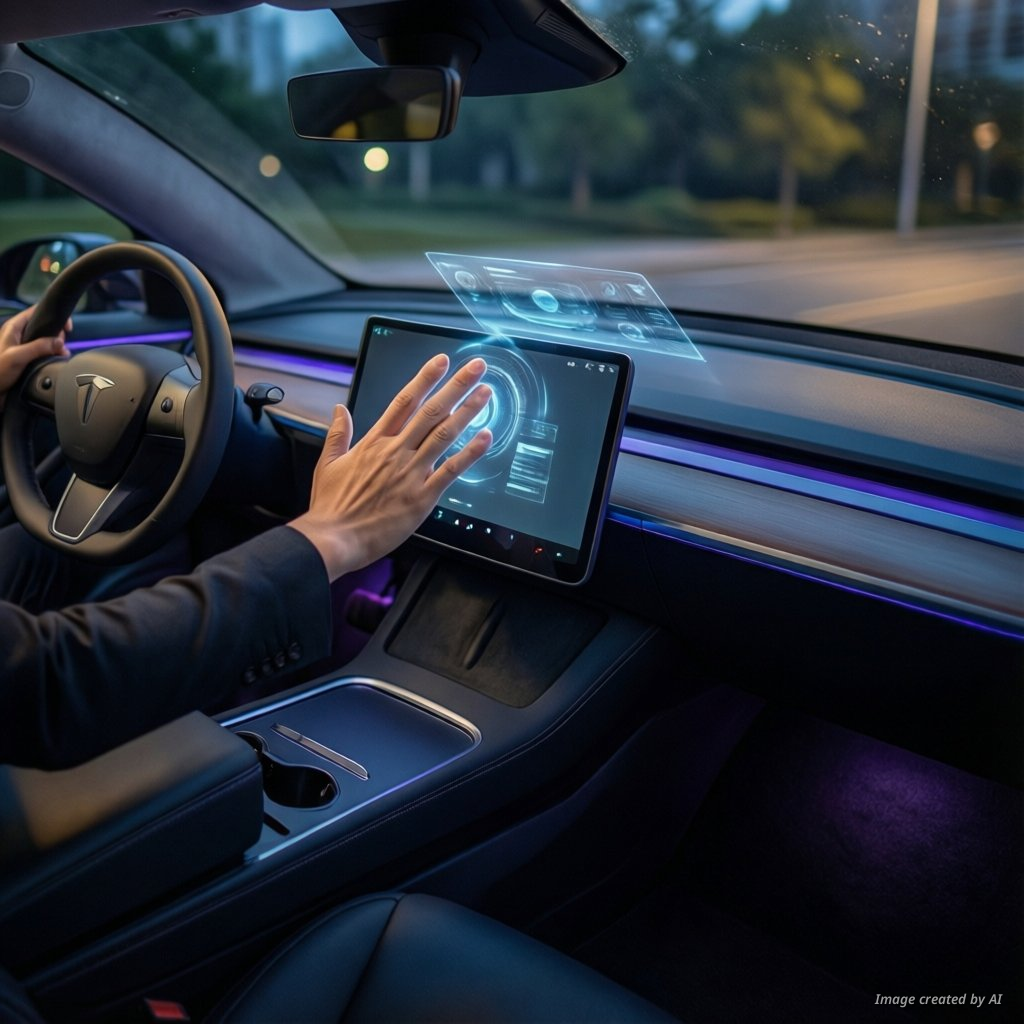
With the rapid advancement of automotive technology, vehicles are no longer just a means of transportation. They are becoming smart devices packed with cutting-edge features for drivers seeking greater convenience and a modern experience. One of the most notable innovations today is the gesture control interface within vehicles.
This technology allows users to control the infotainment system without touching buttons or touch screens. With just a simple hand gesture, one can adjust the volume, answer calls, or change songs while keeping their eyes on the road [1].
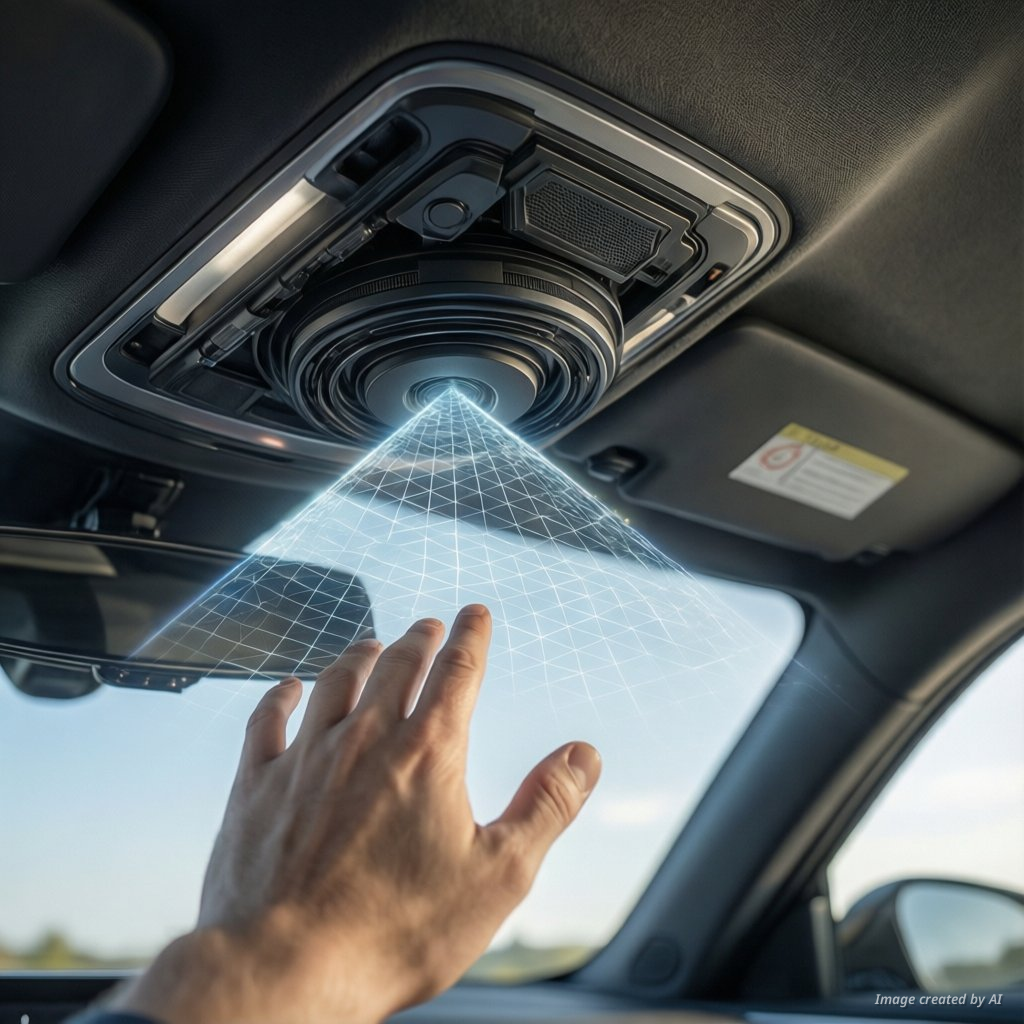
How gesture control works
The gesture control interface uses sophisticated sensors to read every movement of your hand. 3D cameras or Time-of-Flight (ToF) sensors are typically found in the vehicle's roof console [2]. These sensors continuously monitor the space in front of the dashboard.
In addition to cameras, it also uses infrared illuminators to function properly even in the dark. The collected data is processed by a machine learning algorithm. This translates your gestures, such as finger rotations or swipes, into specific commands for the vehicle [3].
Importance of the technology on the road
For motorists in the Philippines, safety is the top priority. Traffic in major cities like Metro Manila requires intense concentration. TopGear Philippines often shares updates on how technology helps reduce distractions while driving.
By avoiding the need to press buttons, the driver can better keep their eyes on the road. This is a crucial step in reducing accidents. Furthermore, it keeps the infotainment screen clean because it does not need to be touched as often [4].
Luxury brands leading the technology
Currently, this feature is commonly found in premium vehicles. BMW is one of the pioneers in introducing gesture control in their models, such as the 7 Series and X5, in the Philippine market. Users get a futuristic feeling with every trip [1].
Mercedes-Benz also has its own version called the MBUX Interior Assistant. Using a 3D camera, it detects the movements of the driver and passenger to adjust interior lighting or activate shortcuts on the screen. Information about these modern vehicles can be found on AutoDeal Philippines for those who wish to do research.
The future of smart cockpits
As the price of sensors decreases, it is expected that this technology will become standard in mid-range vehicles as well. The development of the role of AI in predictive maintenance for smart vehicles shows that vehicles are becoming smarter every year. It is not far off that every vehicle on the road will have this capability.
However, this technology still faces challenges. Accidental activation is one of the common complaints, where the sensor unintentionally reads hand movements while a passenger is talking [5]. A short learning period is also required for the driver to get used to the correct angle of the gestures.
Why this is what modern drivers are looking for
Drivers today are looking for more than just speed and engine power. They want a connected experience that keeps up with the pace of their lifestyle. Gesture control provides a "wow factor" that increases the value of the vehicle in the eyes of tech-savvy consumers.
Choosing a vehicle with this feature is an investment in your own comfort. If you are planning your next vehicle purchase, it is best to check reviews on CarGuide.ph to find out which models have the most intuitive interface.
Ultimately, gesture control is not just a gimmick. It is a practical solution for safer and more comfortable driving in the modern era. As technology continues to evolve, our interaction with our vehicles will surely become easier and more intuitive.
More Information
- Gesture control: A vehicle technology that allows control of the infotainment system through hand gestures without the need for physical button presses.
- Time-of-Flight (ToF) sensors: Advanced sensors that measure the time it takes for light to return to the sensor, enabling accurate 3D mapping of hand movements.
- Infrared (IR) illuminators: Lights invisible to the human eye that help vehicle cameras see and read movements even in dark conditions.
- Infotainment system: The vehicle's central dashboard unit that combines entertainment and information services, including navigation, music, and smartphone connectivity.
- Machine learning: A branch of AI that allows the vehicle system to learn and recognize various hand movement patterns for more accurate response to commands.
Related Posts
-
Uncategorized
A guide to personalizing your car’s windshield head-up display
Read more →Head-up display (HUD) technology is rapidly becoming standard in modern vehicles today. By projecting essential information directly onto the windshield,…
-
 Uncategorized
The role of AI-based collision warning systems in modern transportation
Read more →Advancements in automotive technology are bringing significant changes to road safety. One of the most important innovations today is the…
-
 Uncategorized
The importance of smart EV charging management software in the Philippines
Read more →The rise of electric vehicles (EVs) in the Philippines is rapidly transforming our transportation landscape. Under Republic Act No. 11697,…