
The role of driver health monitoring software in the Philippines
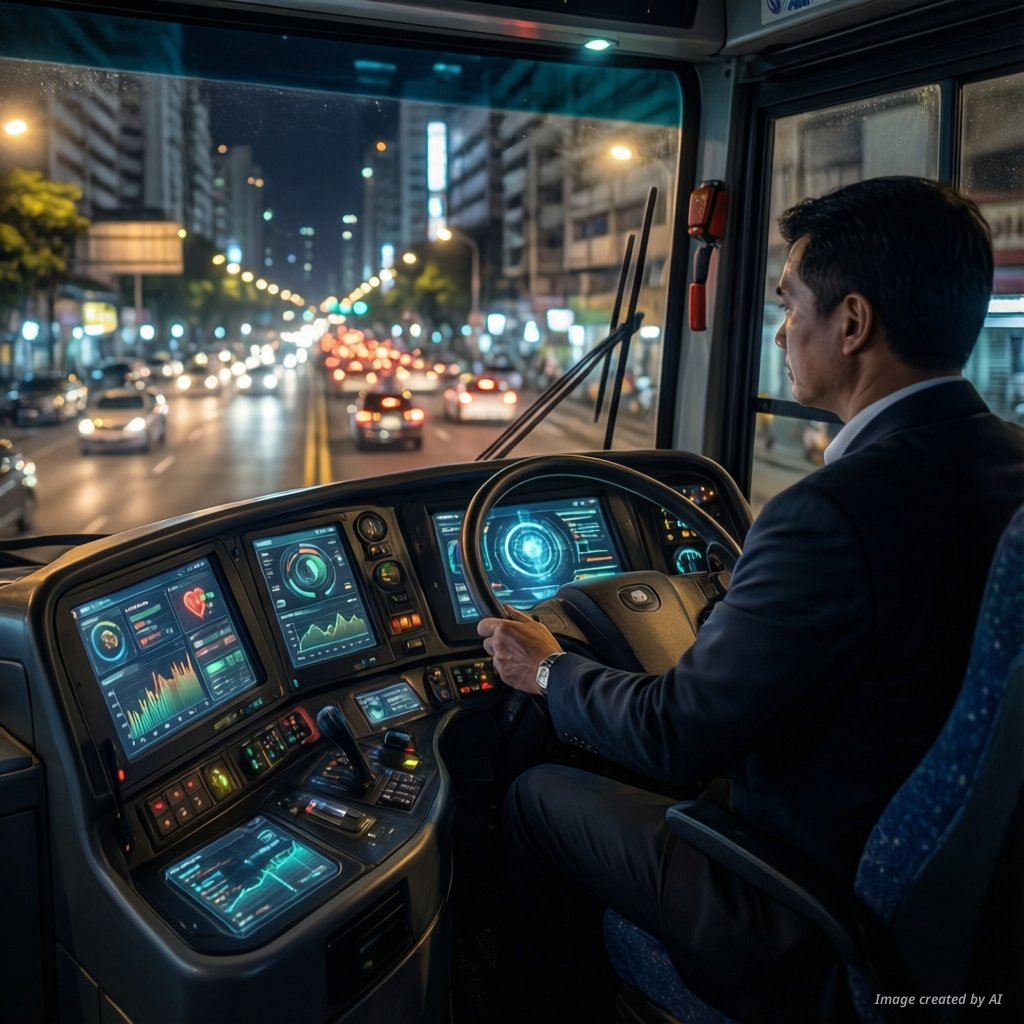
In the modern era of transportation, road safety depends not only on the condition of the vehicle but also on the health of the driver. The use of advanced technology is becoming essential for logistics and public transport companies in the country.
Driver health monitoring software uses artificial intelligence (AI) and sensors to oversee the physical condition of operators. Through this system, it is easier to prevent accidents caused by drowsiness or sudden physical impairment while on the road [1].
Why driver monitoring systems are important in the country
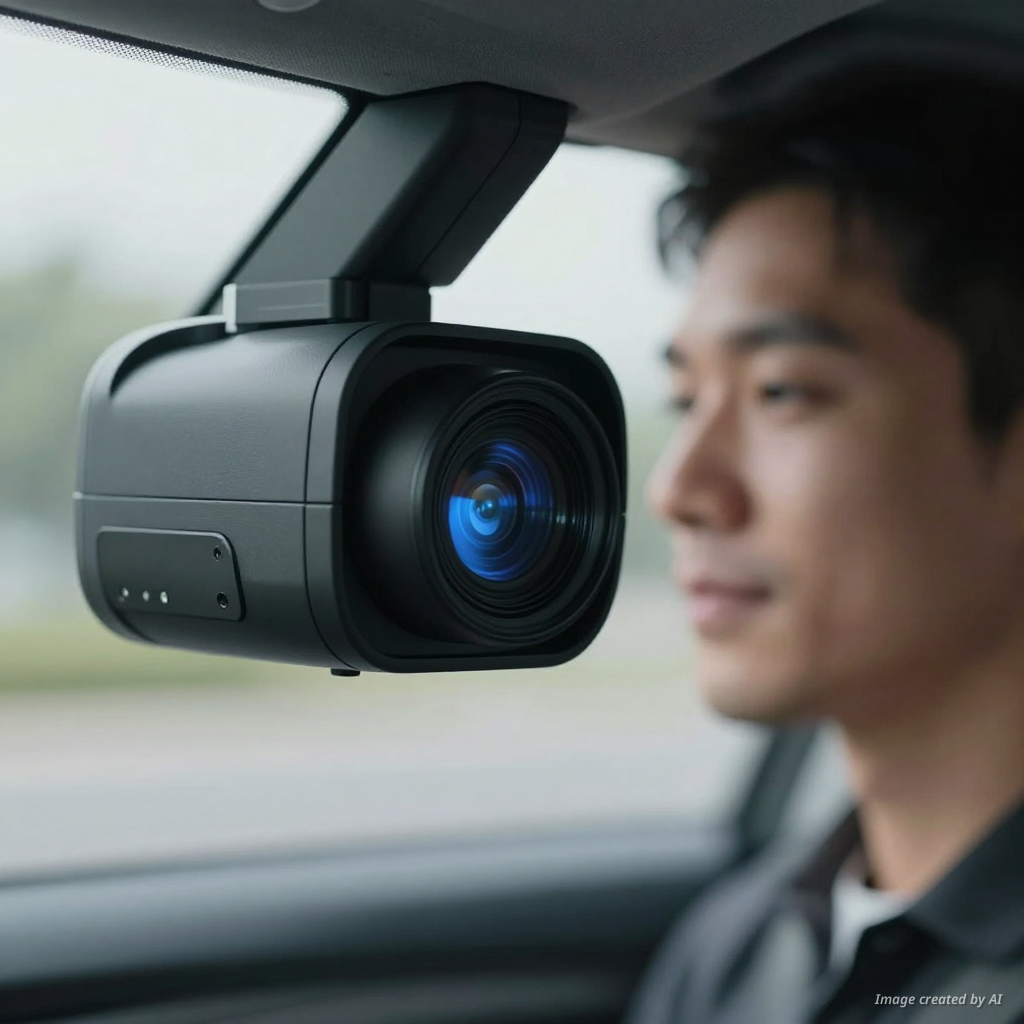
Accidents on major expressways such as NLEX and SLEX are often linked to driver fatigue. The implementation of a driver monitoring system (DMS) is a concrete solution to reduce such incidents. This technology provides real-time information to fleet managers [1].
Beyond safety, companies are also complying with government initiatives for safer roads. The government's Road Safety and Transportation Initiatives emphasize the importance of technology in improving transportation services [2]. Using the right software ensures that every trip is safe and efficient.
Key features of the technology
Modern software has the capability to analyze a driver's facial expressions. Through computer vision, the system detects if the driver has had their eyes closed for a long time or is yawning frequently. These alerts provide warnings before an accident can occur [1].
In addition to visual monitoring, biometric sensors also monitor the driver's heart rate and temperature. This data is sent to the cloud for analysis. You can read about how ADAS systems increase road safety for a broader understanding of this technology.
Government support and innovation
The Department of Science and Technology (DOST) continues to support technology projects for transportation [3]. Such support enables local companies to develop solutions suitable for our roads. Innovation is key to the development of the transportation sector in the Philippines.
The use of telematics also provides data for predictive maintenance. To learn about other technologies, see the role of AI in the predictive maintenance of smart vehicles. Integrating health monitoring and vehicle maintenance results in higher productivity for businesses.
Compliance with LTFRB regulations
The Land Transportation Franchising and Regulatory Board (LTFRB) has strict guidelines for public utility vehicles. Installing GPS and monitoring devices is part of the modernization of PUVs [2]. Companies must comply to maintain their franchises and ensure the safety of passengers.
The software not only monitors the driver but also records working hours. This is in accordance with labor laws aimed at preventing driver overwork. Proper time management results in more alert drivers on the road.
The future of transportation in the Philippines
The future of transportation in the country is focused on being "smart" and connected. Drivers will have more support from AI-driven systems. Medical and automotive technology companies must work together to improve these systems [3].
Over time, it is expected that more vehicles will use this technology. Reducing road accidents is a collective responsibility. Technology is here to serve as a partner to drivers on every journey.
More Information
- Driver monitoring system (DMS): A technology that uses cameras and sensors to monitor the behavior and fatigue level of a driver while driving [1].
- Telematics: The integration of telecommunications and informatics in vehicles for monitoring location, speed, and driver behavior [2].
- Predictive maintenance: A vehicle maintenance strategy that uses data analytics to identify potential faults before they occur [3].
- Biometric sensors: Devices that measure human physical characteristics, such as heart rate and temperature, to ensure health [1].
- Road safety technology: Innovations and equipment created to reduce the risk of accidents and protect the lives of passengers and drivers on the road [2].
Related Posts
-
Uncategorized
A guide to personalizing your car’s windshield head-up display
Read more →Head-up display (HUD) technology is rapidly becoming standard in modern vehicles today. By projecting essential information directly onto the windshield,…
-
 Uncategorized
The role of AI-based collision warning systems in modern transportation
Read more →Advancements in automotive technology are bringing significant changes to road safety. One of the most important innovations today is the…
-
 Uncategorized
The importance of smart EV charging management software in the Philippines
Read more →The rise of electric vehicles (EVs) in the Philippines is rapidly transforming our transportation landscape. Under Republic Act No. 11697,…