
The role of AI in predictive maintenance for smart vehicles
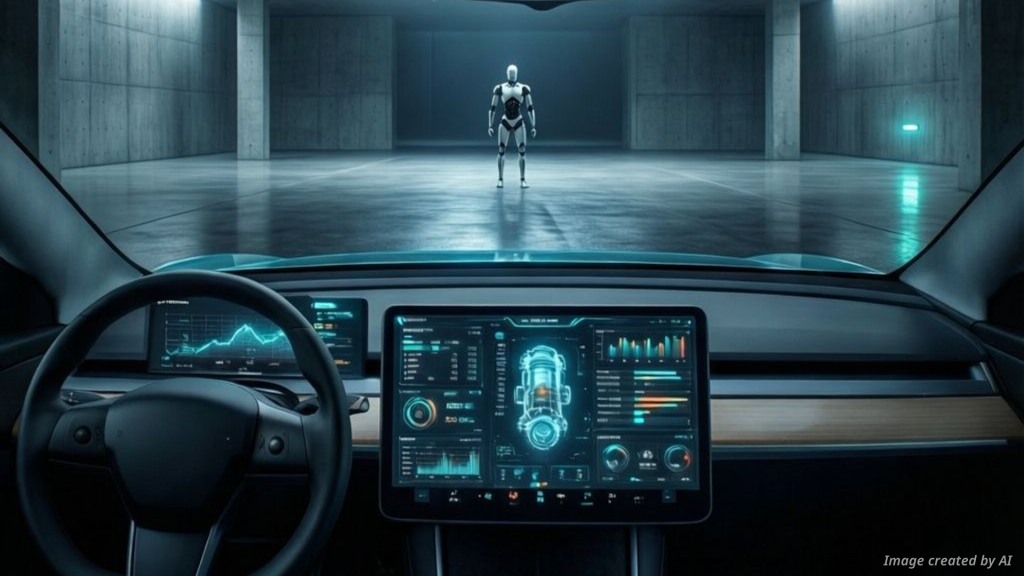
In the rapidly evolving automotive landscape, the concept of vehicle maintenance is undergoing a major revolution. AI predictive maintenance is providing a new level of security and efficiency for car owners and service centers in the Philippines.
Drivers no longer need to wait until their vehicle completely breaks down in the middle of the road. Through intelligent data analysis, potential problems are identified long before they become a major inconvenience.
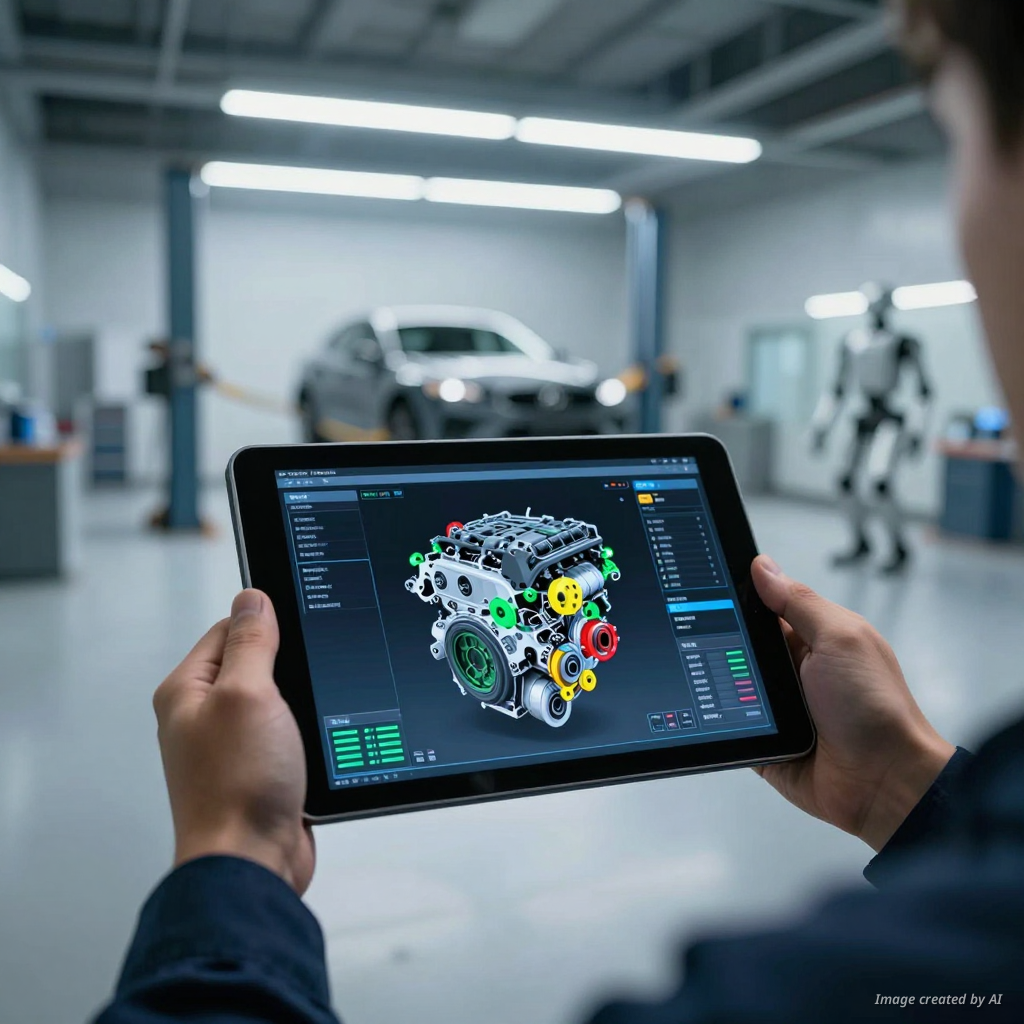
What is AI predictive maintenance in vehicles?
AI predictive maintenance is a technology that uses artificial intelligence and machine learning to analyze a vehicle's health in real-time. Instead of relying solely on traditional preventive maintenance service (PMS) schedules, the system monitors every sensor in the car [1].
Devices collect data from engine temperature, vibration, and fluid levels. This information is transmitted to the cloud for thorough analysis. As a result, it becomes easier to determine which parts are nearing the end of their lifespan or are about to fail [2].
The growth of connected technology in the Philippines
Currently, many vehicles in the country are equipped with advanced telematics systems. Brands like Toyota are already introducing connected services that provide vehicle health updates via mobile apps. This is a significant step for car owners in the Philippines.
The use of AI in the driving experience provides peace of mind to drivers. Beyond personal cars, logistics companies are also utilizing this technology to avoid unplanned downtime [3].
Benefits for vehicle owners
The primary advantage of this technology is significant cost savings. When a minor issue is addressed early, it will not worsen and will not require expensive repairs in the future [4].
Beyond money, road safety is even more important. Sudden brake or engine failures are frequent causes of accidents. With the help of AI, these risks are significantly reduced.
The role of service centers in the new era
For service centers, AI predictive maintenance is an opportunity to improve their services. Instead of waiting for walk-in customers, they can offer proactive repairs based on data received from the vehicle [5].
The use of data security in connected vehicle systems is also crucial for these centers. They must ensure that customer information is secure and compliant with Philippine privacy laws.
Challenges in local market implementation
Although the technology is promising, we still face challenges. Having a stable internet connection in various parts of the Philippines is critical for real-time data transmission [3]. The future of mobility depends on the expansion of infrastructure in the country.
Likewise, the cost of new vehicles with built-in AI remains high for the average Filipino. However, as the technology becomes more affordable, we can expect more people to use it in the coming years.
How vehicle owners can get started
If you are a car owner, it is a good idea to check if your vehicle has the capability to connect to manufacturer apps. Read your vehicle manual to see if it has smart features. Becoming familiar with these technologies will help in maintaining your vehicle for a long time.
Do not be afraid to ask your trusted service center about modern ways of diagnosing vehicles. Being informed is the key to a longer and better life for your car.
More Information
- AI predictive maintenance: A system that uses artificial intelligence to analyze vehicle condition and predict potential failures before they occur.
- Telematics: The integration of telecommunications and informatics in vehicles for sending real-time data to servers or the cloud.
- Connected vehicle: A vehicle capable of sending and receiving information via the internet, enabling smart features.
- Unplanned downtime: Unexpected vehicle breakdown resulting in the cessation of operation or use, causing inconvenience and costs.
- OBD-II port: A standard interface in vehicles that provides access to diagnostic data from the engine and other car systems.
Related Posts
-
Uncategorized
A guide to personalizing your car’s windshield head-up display
Read more →Head-up display (HUD) technology is rapidly becoming standard in modern vehicles today. By projecting essential information directly onto the windshield,…
-
 Uncategorized
The role of AI-based collision warning systems in modern transportation
Read more →Advancements in automotive technology are bringing significant changes to road safety. One of the most important innovations today is the…
-
 Uncategorized
The importance of smart EV charging management software in the Philippines
Read more →The rise of electric vehicles (EVs) in the Philippines is rapidly transforming our transportation landscape. Under Republic Act No. 11697,…