
The art of 3D surround sound inside your vehicle
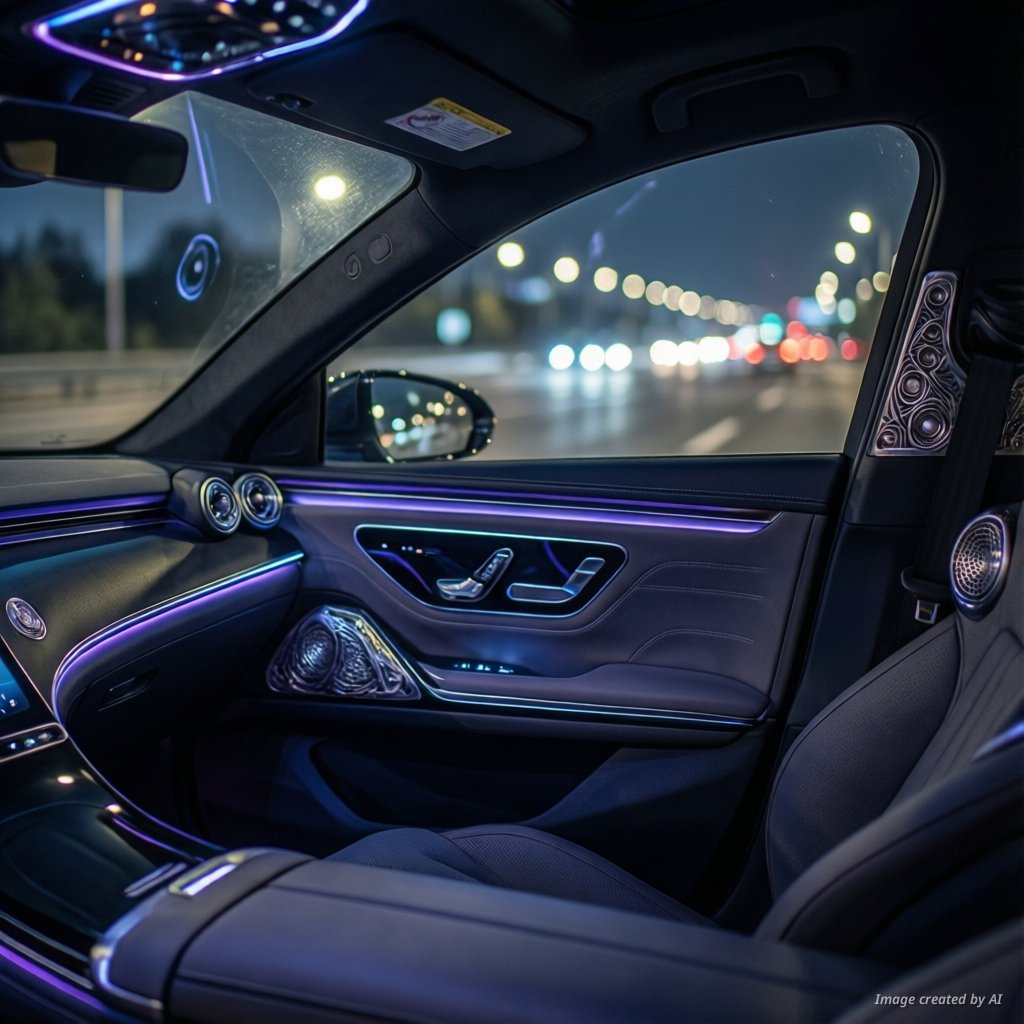
Driving on the roads of the Philippines is often filled with noise and pollution. For true audiophiles, the interior of a vehicle serves as a sanctuary. Here, music is not just heard; it is felt.
Modern 3D surround sound technology is changing the way we listen to music while on the road. A simple stereo setup is no longer enough for those who love sound quality [1].
What is 3D surround sound in a vehicle?
3D surround sound uses object-based spatial audio technology. It allows sound to emanate from various directions, including the upper part of the cabin [1]. Unlike traditional stereo, this system creates a "soundstage" that makes you feel as if you are inside a concert hall.
Through advanced Dolby Atmos configurations, every instrument has its own position. You can feel every note as if it were flying around you.
The role of premium audio brands
Many luxury car brands collaborate with audio experts for the perfect sound. Burmester is known for their 3D and 4D systems that use up to 30 speakers [2]. This many speakers provide depth and clarity that is hard to match.
On the other hand, Bose uses their proprietary algorithms such as Centerpoint [3]. This technology converts stereo signals into multi-channel audio for a wider soundstage.
Upgrading audio in the Philippine market
Many vehicles in the Philippines are not equipped with high-end sound systems from the factory. However, car audio enthusiasts have ways to achieve the 3D experience. Using Digital Signal Processors (DSP) is one of the most popular solutions [4].
The impact of AI on the driving experience and consumer services is also significant in the development of in-car entertainment. With a DSP, you can tune the "time alignment" of each speaker. This results in immersive sound even in a simple sedan.
The importance of sound deadening
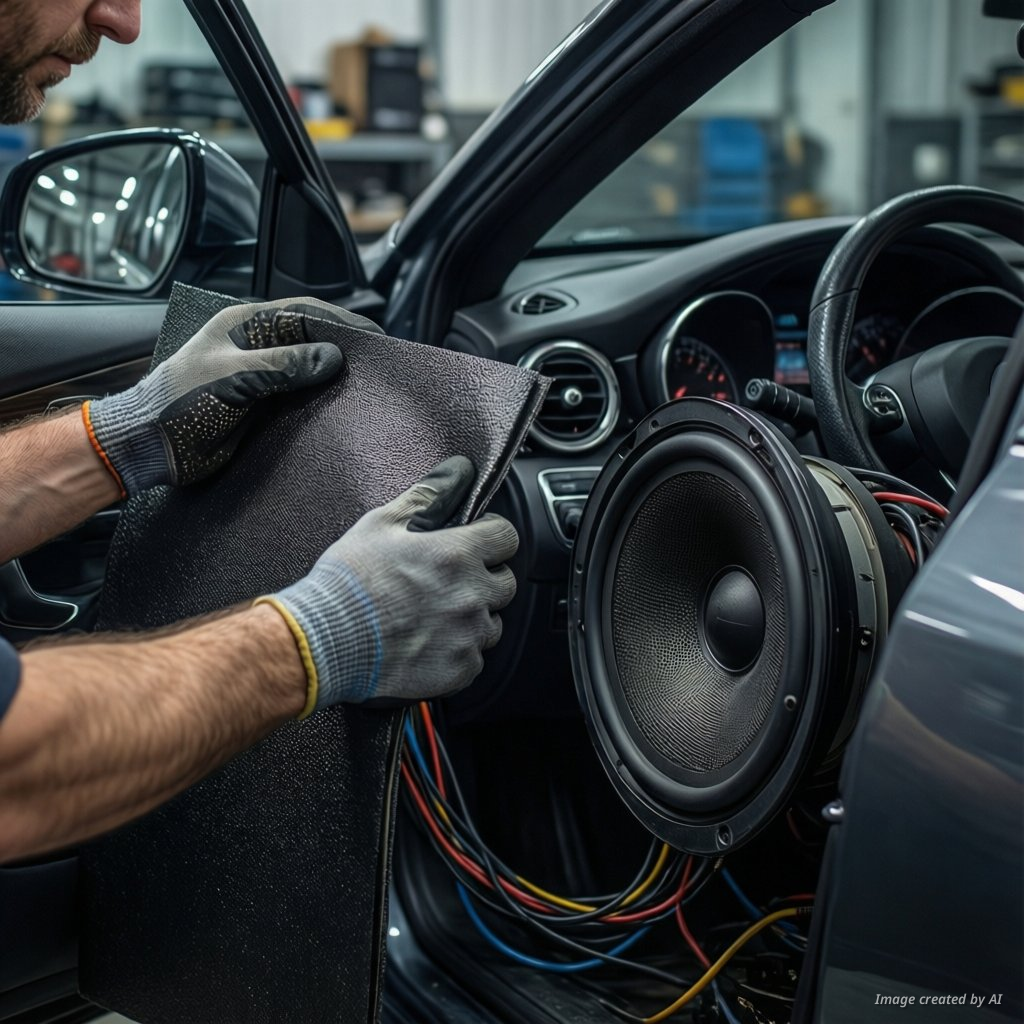
Any 3D system will not be effective if the inside of the car is full of noise. "Road noise" is the enemy of every audiophile [4]. Installing sound deadening materials on the doors and floor is essential.
These materials reduce vibration and road noise. When the cabin is quiet, the details of the music stand out more. This is the foundation of a true 3D surround sound experience.
Technical aspects of installation
Installing 3D audio is not just about replacing speakers. It requires proper placement of tweeters, midrange drivers, and subwoofers. Speakers in the ceiling or "height channels" provide verticality to the sound [1].
Many experts at Top Gear Philippines recommend proper system calibration. Every vehicle has a unique cabin shape, so tuning must be based on the acoustics of the car's interior [4].
Adjusting your audio profile
Most modern infotainment systems have presets. You can choose "Studio" mode for pure sound or "Concert" mode for a wider soundstage. These settings change the output of each channel [3].
For bass lovers, seat exciters or 4D systems provide a physical sensation. You can feel every drum beat in your seat [2]. This is a level of immersion that was previously impossible in vehicles.
The future of in-car audio
As the number of Electric Vehicles (EVs) in the Philippines increases, vehicles are becoming quieter. The lack of engine noise provides the perfect canvas for 3D audio [4]. Future generations of vehicles will have even more advanced audio integration.
The security of data in connected vehicle systems must also be considered. As our cars become smarter, the protection of our digital profiles is also becoming a priority.
Conclusion
Upgrading to 3D surround sound is an investment in your driving happiness. From choosing the right speakers to tuning the DSP, the process is an art. Do not let road noise limit your music experience.
Start your journey toward building the perfect sound system today. Every trip will become a concert that only you can hear.
More Information
- Dolby Atmos: A spatial audio technology that places sound in a 3D space, providing a deeper and wider listening experience inside the vehicle.
- Burmester 4D: A high-end audio system that uses speakers and seat exciters to deliver tactile bass, allowing the listener to feel every vibration of the music.
- Bose Centerpoint: A technology that analyzes stereo signals to create multi-channel surround sound, providing a more balanced experience for all passengers inside the vehicle.
- DSP (Digital Signal Processor): A device used in car audio to tune the frequency response and time alignment of speakers, resulting in clearer and more accurate sound.
- Sound deadening: The process of applying materials such as butyl sheets inside the doors and floor of a vehicle to reduce noise from the road and engine.
Related Posts
-
Uncategorized
A guide to personalizing your car’s windshield head-up display
Read more →Head-up display (HUD) technology is rapidly becoming standard in modern vehicles today. By projecting essential information directly onto the windshield,…
-
 Uncategorized
The role of AI-based collision warning systems in modern transportation
Read more →Advancements in automotive technology are bringing significant changes to road safety. One of the most important innovations today is the…
-
 Uncategorized
The importance of smart EV charging management software in the Philippines
Read more →The rise of electric vehicles (EVs) in the Philippines is rapidly transforming our transportation landscape. Under Republic Act No. 11697,…