
Energy management software for hybrid vehicles
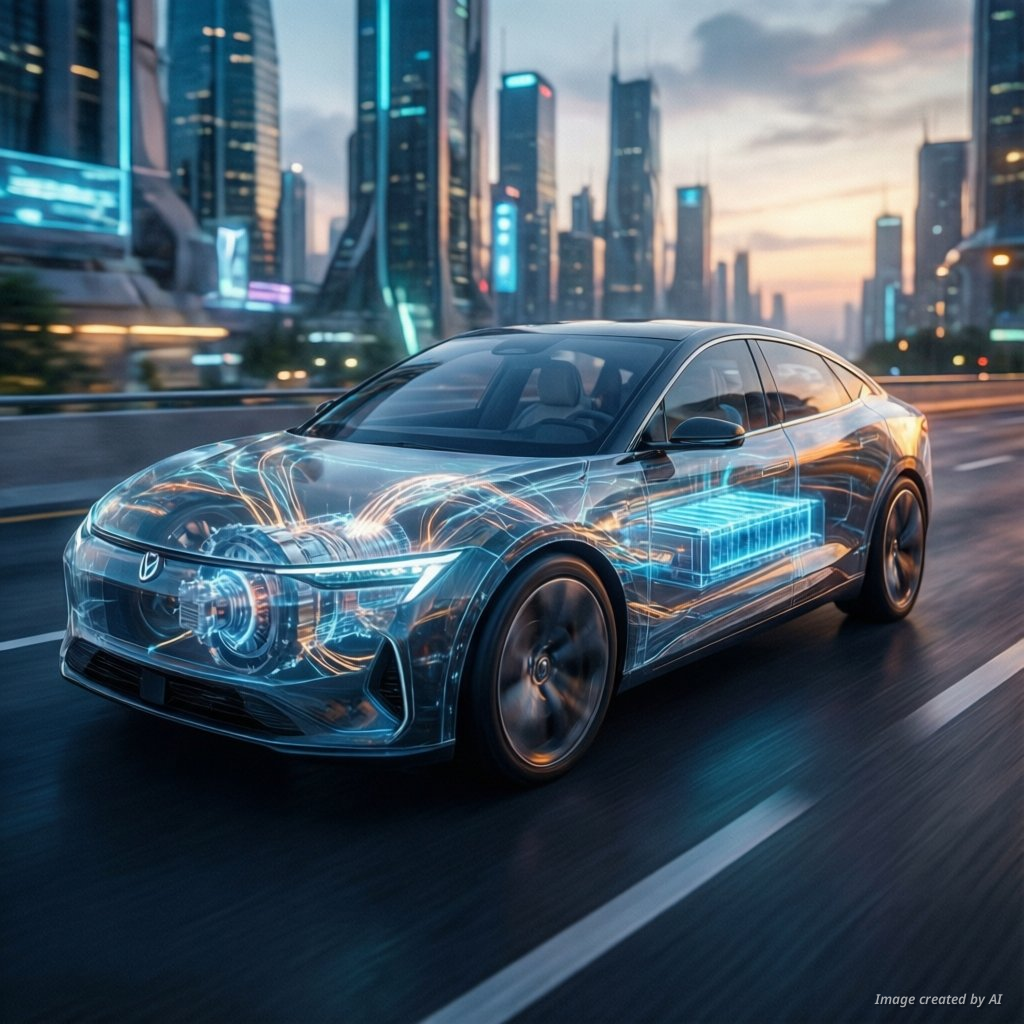
The advancement of transportation technology is rapidly changing our roads. One of the most important innovations for vehicle owners is energy management software (EMS). This serves as the brain of hybrid electric vehicles (HEVs) and plug-in hybrid electric vehicles (PHEVs).
In the Philippines, the use of this technology is becoming increasingly important due to rising fuel prices. The Electric Vehicle Industry Development Act (EVIDA) provides a strong foundation for the wider adoption of energy-efficient vehicles [2].
What is the role of energy management software?
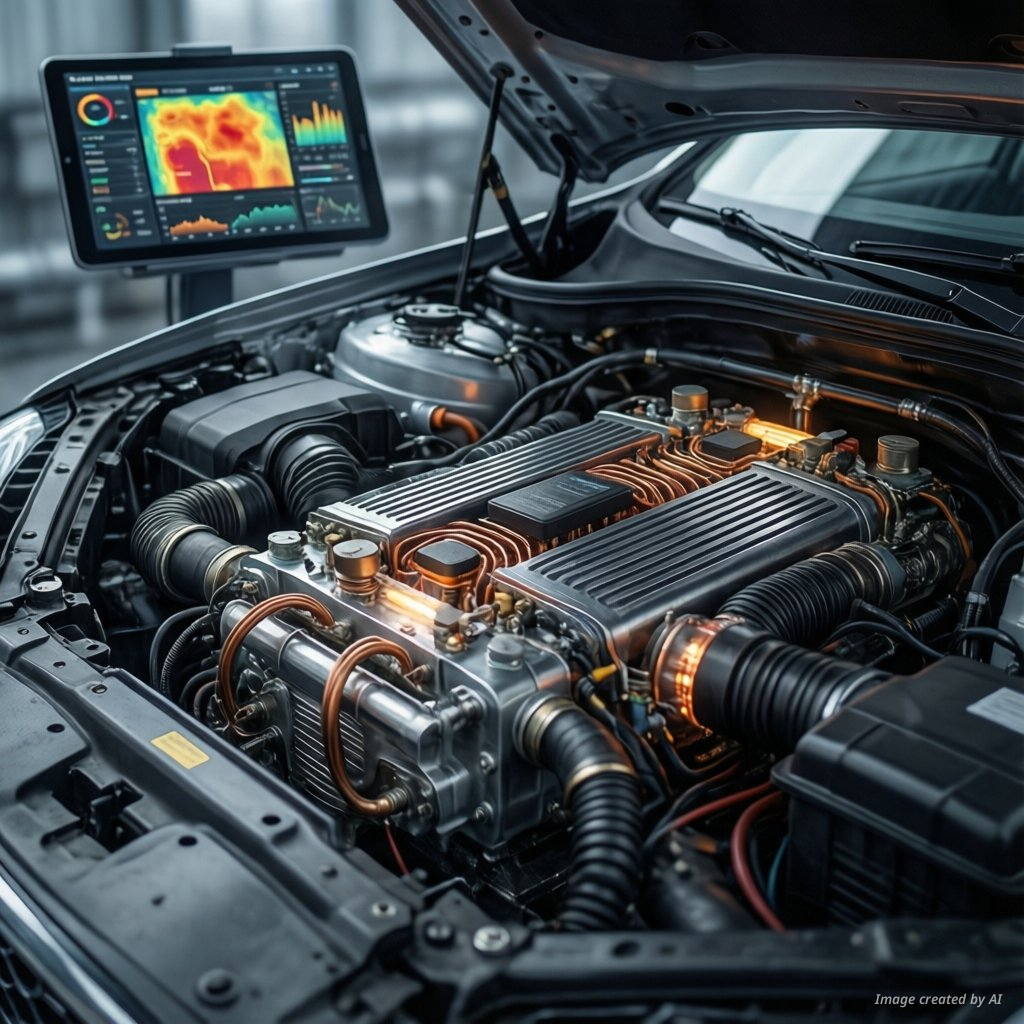
EMS is a sophisticated system that optimizes the flow of electricity and gasoline. It controls the power exchange between the internal combustion engine (ICE) and the electric motor. As a result, the vehicle runs more efficiently under various road conditions [3].
For developers, creating this algorithm requires a deep understanding of telematics and embedded systems. Electric motor control software for efficiency optimization is critical to ensure that energy is not wasted during every vehicle operation.
Technical functions of EMS
The software performs many essential tasks within the vehicle. One of these is power split optimization, which decides when to use the battery or the engine. It uses real-time data to balance energy usage [4].
Another important function is regenerative braking management. With every brake application, the system captures lost energy and returns it to the battery. This is highly effective in areas with heavy traffic like Metro Manila.
Impact of laws and regulations in the Philippines
The Republic Act No. 11697 aims to accelerate the adoption of electric and hybrid vehicles in the country [1]. The incentives included in this law help consumers choose more environment-friendly options. The law also includes the expansion of charging infrastructure for vehicles.
Transportation companies are also using advanced telematics. Fleet management solutions allow for the monitoring of carbon emissions and fuel consumption of each unit [4].
Battery maintenance in hot climates
One of the challenges in the Philippines is the high temperature, which can damage batteries. EMS has the capability to monitor the thermal management of the battery. It prevents overheating by adjusting the charging rate [5].
Because of this, battery life is extended, and the need for frequent replacements is reduced. Proper battery care results in lower costs for vehicle owners in the long run.
Benefits for drivers in traffic
Traffic in major cities causes significant fuel waste. With the help of predictive energy management, the software can estimate the energy required based on traffic conditions. It keeps the vehicle in electric mode while moving slowly.
This technology not only saves money but also helps the environment. Reducing idling emissions is a major step toward cleaner air in our cities.
The future of hybrid technology
Energy management software will continue to be the center of innovation. It is expected that future versions will become smarter through machine learning. The use of AI in predicting maintenance will become standard in new models The role of AI in predictive maintenance for smart vehicles.
As developers and vehicle owners, it is important to stay updated on these changes. Understanding how your vehicle works will help you get the most out of every trip.
More Information
- EVIDA: Republic Act No. 11697, which establishes the national framework for the development of the electric vehicle industry in the Philippines.
- Hybrid electric vehicle (HEV): A type of vehicle that uses a combination of an internal combustion engine and an electric motor for better fuel efficiency.
- Regenerative braking: A mechanism where energy from braking is captured and used to recharge the vehicle's battery.
- Telematics: The integration of telecommunications and informatics to monitor and control vehicles in real-time using GPS and onboard diagnostics.
- Thermal management: The process of controlling the temperature of vehicle components, especially the battery, to ensure its safety and longevity.
Related Posts
-
Uncategorized
A guide to personalizing your car’s windshield head-up display
Read more →Head-up display (HUD) technology is rapidly becoming standard in modern vehicles today. By projecting essential information directly onto the windshield,…
-
 Uncategorized
The role of AI-based collision warning systems in modern transportation
Read more →Advancements in automotive technology are bringing significant changes to road safety. One of the most important innovations today is the…
-
 Uncategorized
The importance of smart EV charging management software in the Philippines
Read more →The rise of electric vehicles (EVs) in the Philippines is rapidly transforming our transportation landscape. Under Republic Act No. 11697,…